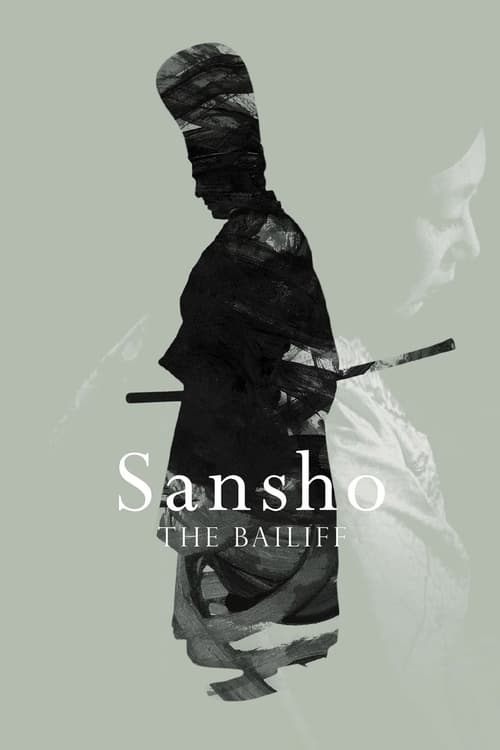
Sansho the Bailiff (1954)
山椒大夫
Without mercy, man is like a beast.
1954-03-31 · Drama · 124 min
Directed by Kenji Mizoguchi
Overview
In 11th-century feudal Japan, following the exile of an idealistic governor, his wife and children are separated by slave traders; the children, Zushio and Anju, are sold into brutal servitude under the cruel bailiff Sansho.
Cast
-
 Kinuyo Tanaka
Tamaki
- Yoshiaki Hanayagi Zushiô
-
 Kyōko Kagawa
Anju
-
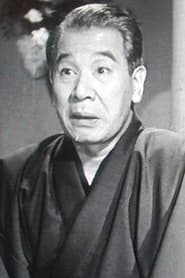 Eitarō Shindō
Sanshô dayû
-
 Ichirō Sugai
Minister of Justice
-
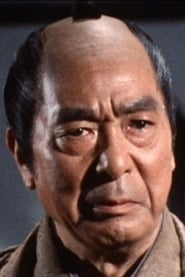 Bontarō Miake
Kichiji
- Yōko Kozono Kohagi
-
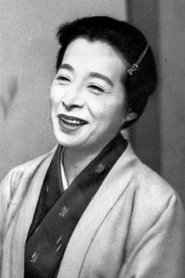 Chieko Naniwa
Ubatake
- Kikue Mōri Priestess
- Ken Mitsuda Prime Minister Fujiwara
-
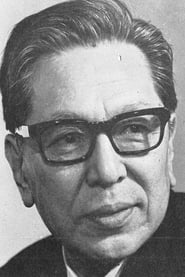 Masao Shimizu
Masauji Taira
-
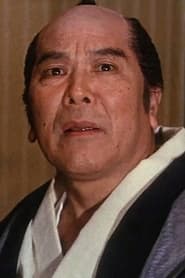 Ryōsuke Kagawa
Ritsushi Kumotake
-
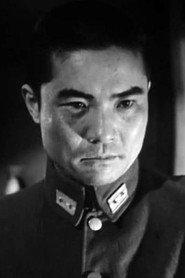 Akitake Kōno
Taro
-
 Kanji Koshiba
Kaikudo Naito
- Shinobu Araki Sadaya
-
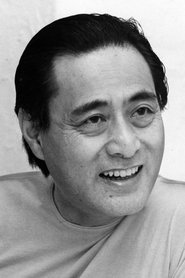 Masahiko Tsugawa
Young Zushiō
- Keiko Enami Young Anju
-
 Teruko Ōmi
Nakagimi
-
 Kimiko Tachibana
Namiji
- Reiko Kongō Shiono
Crew
- Director
- Kenji Mizoguchi
- Director of Photography
- Kazuo Miyagawa
- Editor
- Mitsuzō Miyata
- Original Music Composer
- Fumio Hayasaka
- Original Music Composer
- Tamekichi Mochizuki
- Original Music Composer
- Kanahichi Odera
- Producer
- Masaichi Nagata
- Screenplay
- Yoshikata Yoda
- Screenplay
- Fuji Yahiro
Details
- IMDb
- tt0047445
- TMDB
- 20532
Keywords
Videos
Reviews
CinemaSerf · ★ 7 · 2023-01-04
When a benign provincial governor tries to intervene to protect his people from the brutality of the military, he is stripped of his rank and banished. His wife and children are forced to follow him, on foot, some time later and hopelessly ill-equipped for that task they fall prey to people traffickers who split the family up. The young daughter and son soon find themselves bought by the eponymous character and forced into cruel manual labour that only his son "Taro" (Akitake Kôno) seems at all concerned about. Can he help? Can they manage to keep some semblance of their erstwhile decency and nobility in the face of such indifference and oppression? Will the family ever reconcile? This is a glorious film to look at. The photography is dark, gloomy and hugely effective at eliciting a feeling of sorrow for the children as they struggle to survive in their new lives. There are glimmers of optimism, but Kenji Mizoguchi manages our expectations well. There is no yellow brick road here, the sunlit uplands are definitely there but we have no idea when (or if) one or other or neither of the children may ever reach them. The acting is poised and characterful - especially the young "Anju" (Kyôko Kagawa) who tries to look out for her initially weak and vulnerable younger brother "Zushio" (Yoshiaki Hanayagi). It is beautifully scored with a mixture of Japanese and classical themes that compliment well the contrasting images of poverty, wealth, cruelty and kindness of this story of barbarity and revenge. The cinematography does benefit from a big screen - it makes the story and the imagery all the more impactful, but even on a television this is is two hours that truly keeps you gripped.
Similar movies
-
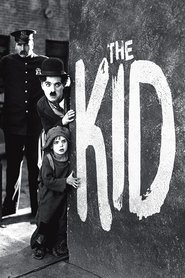 The Kid
(1921)
-
 Bloody Land
(1976)
-
 They Were Four
(1977)
-
 Cloaks over Barbed Wire
(1977)
-
 Blind Rain
(1969)
-
 Uphill Love
(2015)
-
 The Birth of Yue Fei
(1962)
-
 Tattoo
(2002)
-
 The Bitter Tears of Petra von Kant
(1972)
-
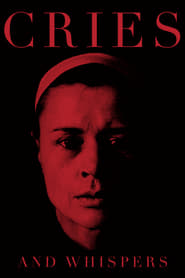 Cries and Whispers
(1972)
-
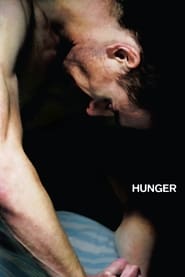 Hunger
(2008)
-
 Two Lovers
(2008)